
Pregnancy and the months after delivery can change the skin in several ways: pigmentation may become more noticeable, acne can return, and skin may feel drier, more sensitive or less even in texture. If you are searching for post pregnancy skin treatment in Colombo, the safest starting point is not a popular procedure. It is a consultation that identifies the main concern, checks your current health and medication history, and considers breastfeeding, recovery and sun exposure.
Why does skin change after pregnancy?
Hormonal shifts, sleep disruption, stress, changes in skincare and increased sensitivity can all influence the appearance and behaviour of skin after pregnancy. Some people notice facial darkening, uneven tone or acne; others mainly notice dryness, dullness, altered texture or reduced firmness. Stretch marks may also remain on the abdomen, hips, breasts or thighs, but they are a separate concern that needs its own assessment.
These changes are not a diagnosis by themselves. A rash, rapidly changing pigmented area, painful acne, infection or a bleeding or changing mark should be assessed by a qualified medical professional rather than treated as a cosmetic issue.
Which post-pregnancy concerns can a Colombo clinic assess?
| Concern | What a consultation may consider | Important caution |
|---|---|---|
| Uneven pigmentation | Pattern, duration, sun exposure, current products and whether it resembles melasma or another condition | Pigmentation can recur or darken with light exposure; treatment needs consistent protection and realistic expectations |
| Postpartum acne | Type of lesions, scarring risk, skincare, medicines and whether acne is active or leaving marks | Breastfeeding and pregnancy status matter when discussing prescription options |
| Dullness or rough texture | Barrier health, dryness, irritation and whether the skin is suitable for a gentle facial or another approach | Over-exfoliation can worsen sensitivity and pigmentation, particularly in deeper skin tones |
| Loss of firmness | Skin laxity, expectations, general health and whether a non-surgical option is appropriate | Non-surgical treatments provide variable changes and are not a substitute for surgery |
| Stretch marks | Age, colour, location and maturity of the marks | They usually cannot be erased completely; any plan should discuss modest, variable improvement |
What might “skin rejuvenation” involve?
“Rejuvenation” is a broad term, not one standard treatment. Depending on the assessment, a doctor-led clinic may recommend skincare and sun protection first, or discuss a suitable service such as a customised medical facial, microneedling, PRP facial rejuvenation, acne management, pigmentation and melasma care, or an anti-ageing programme. These options are not interchangeable, and a treatment used for texture may not be suitable for active acne, uncontrolled pigmentation or a compromised skin barrier.
For example, microneedling is intended to create controlled micro-injuries to support skin remodelling, while PRP uses a person’s own blood components as part of a facial rejuvenation plan. Both require individual assessment and carry possible risks such as temporary redness, swelling, irritation, infection or pigmentary change. A gentle facial may be more appropriate when the immediate priority is cleansing and hydration, but it is not a cure for every postpartum concern.
You can review Lumera Skin Clinic and discuss which available option, if any, fits your concern rather than choosing a procedure from a social-media image.
Breastfeeding and timing: what should you tell the clinic?
Tell the clinician whether you are pregnant, breastfeeding, recently delivered, taking medicines or using prescription skincare. This information can change the timing, products and treatment intensity considered. There is no universal rule that every cosmetic treatment is suitable during breastfeeding, and online advice cannot assess your individual circumstances.
If you are exhausted, anaemic, healing from delivery, experiencing an active infection or dealing with a significant skin flare, postponing a cosmetic procedure may be sensible. A responsible clinic should explain why it recommends waiting, modifying a plan or seeking another medical opinion.
How a post-pregnancy skin consultation works
- Describe the main concern. Bring a clear priority: for example, facial pigmentation, active acne or texture. Trying to treat every change at once can make expectations unclear.
- Review your history. The clinician may ask about delivery, breastfeeding, allergies, medicines, previous procedures, skincare, cold sores, keloid or raised-scar tendency and reactions to products.
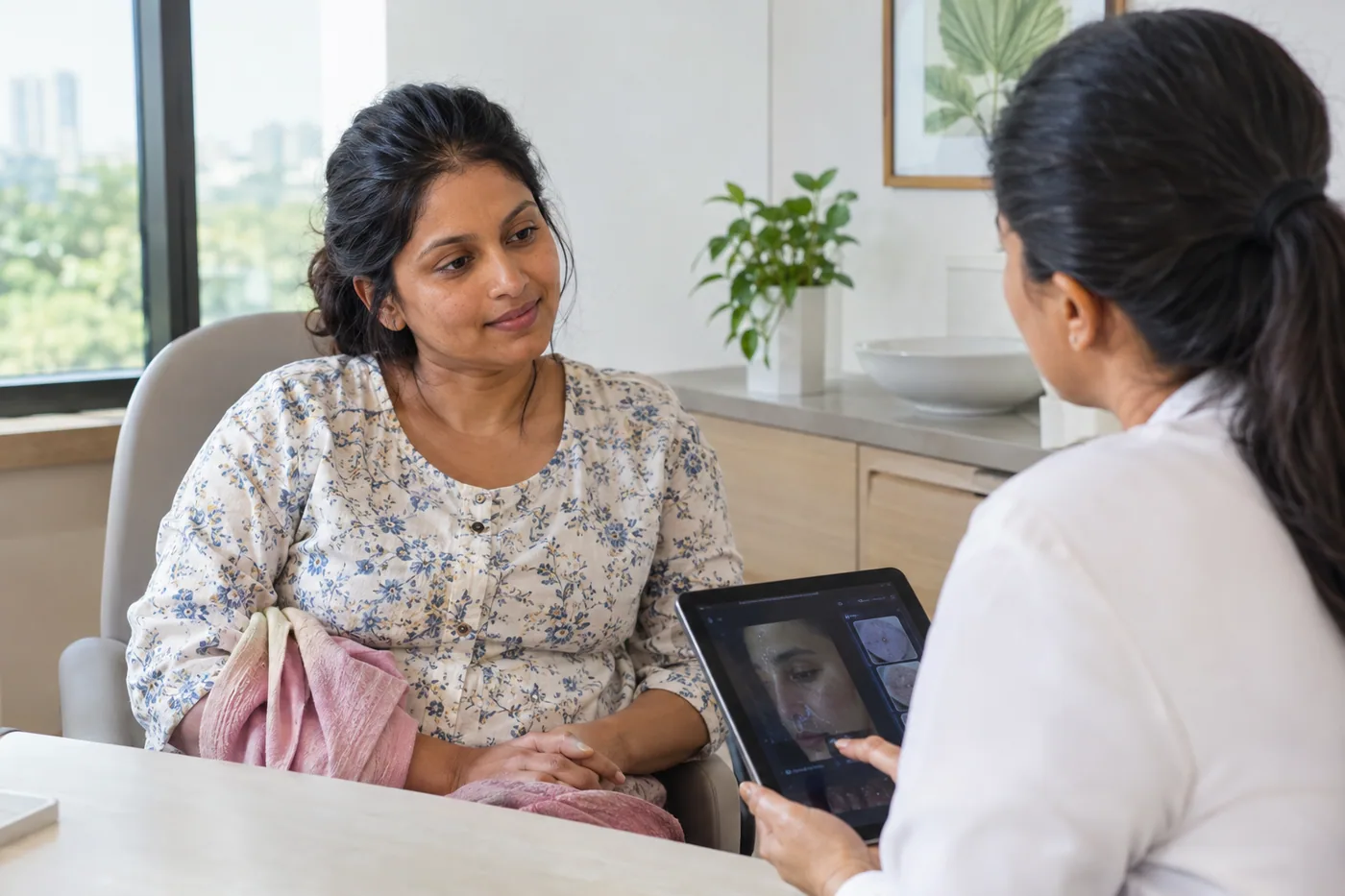
- Examine the skin. Pattern, colour, inflammation, scarring and barrier health help determine whether treatment is appropriate. A digital skin analysis may be used as an assessment aid, but it should not replace clinical judgement.
- Discuss options and limits. Ask about benefits, risks, alternatives, likely number of sessions, downtime, maintenance and what happens if the concern does not respond as hoped.
- Plan conservatively. A staged plan may begin with home care and sun protection before any in-clinic procedure. That is not a failure; it may be the safer route for reactive postpartum skin.
Downtime and results: what is realistic?
Downtime depends entirely on the selected service and your skin’s response. A gentle facial may cause little visible recovery, whereas microneedling or another more active procedure can produce temporary redness, sensitivity, swelling or flaking. Ask when you can return to work, exercise, swimming and usual skincare. In Colombo’s heat and humidity, sweating, dust and intense daylight can make aftercare especially important.
Skin may look temporarily different before it settles. Pigmentation often requires patience and careful light protection; acne management is usually a process rather than a single visit; and collagen-related changes develop gradually, if they occur. Follow-up helps the clinician decide whether to continue, adjust or stop a plan. No responsible provider can promise a fixed result or exact timeline.
What affects the cost in Sri Lanka?
Clinics may set fees according to the consultation, treatment type, clinician involvement, equipment or products used, treatment area, number of sessions and follow-up care. The complexity of a postpartum concern and whether medical skincare is included can also affect the total. Ask for a clear explanation of what is included rather than choosing solely by a headline fee. A consultation is the appropriate point to discuss the plan and its cost.
Aftercare for Sri Lankan skin
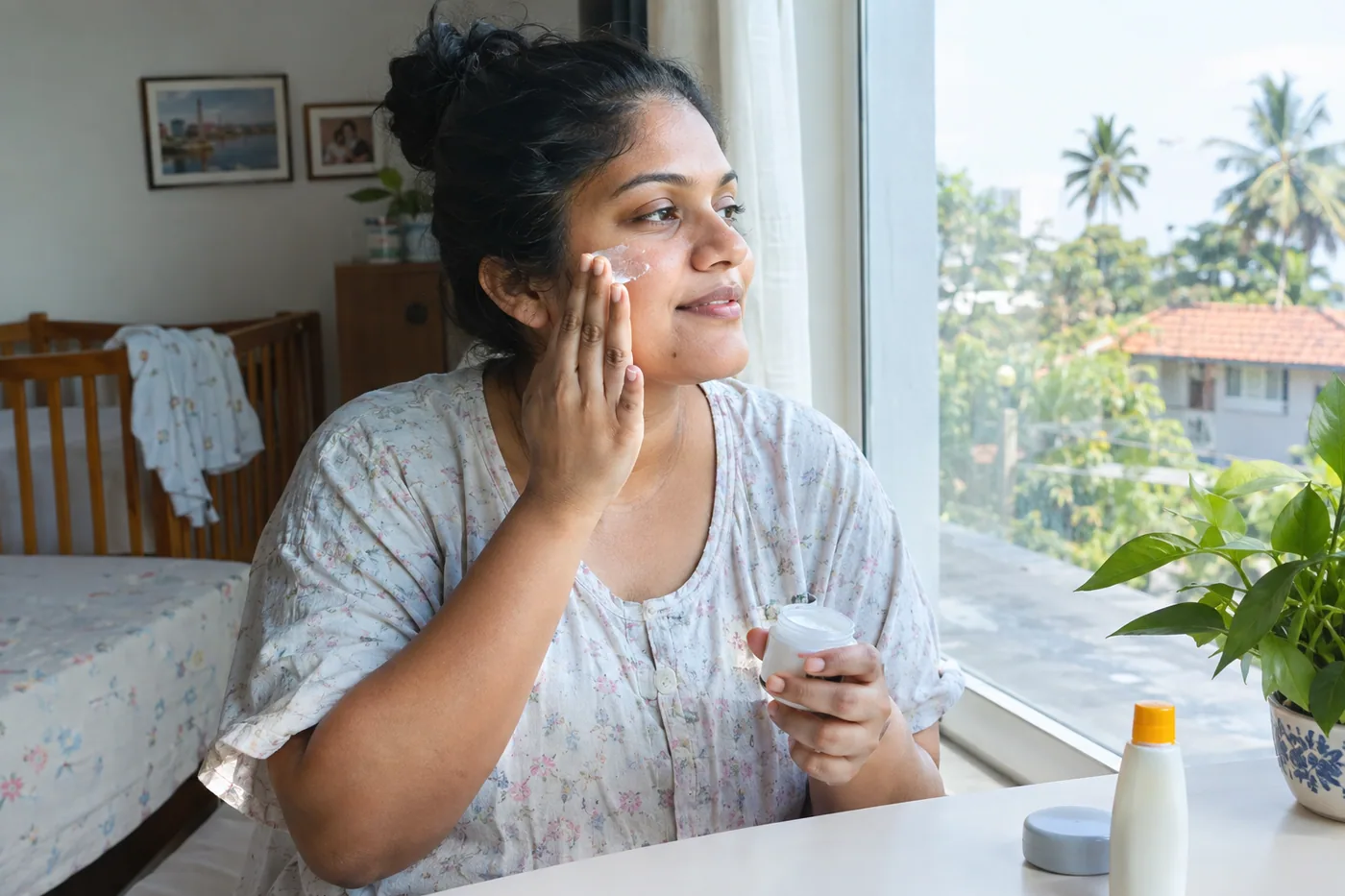
- Follow the clinic’s written instructions and do not add strong active products unless advised.
- Use broad-spectrum sunscreen and reduce direct sun exposure; reapply as directed, especially when outdoors.
- Keep recently treated skin clean and avoid picking, scrubbing or unnecessary friction.
- Use a bland moisturiser if recommended and avoid introducing several new products at once.
- In humid weather, change out of sweaty clothing and avoid activities the clinician has restricted.
- Contact the clinic promptly about worsening pain, spreading redness, pus, blistering, marked swelling or other unexpected symptoms.
Questions to ask before booking
- What is the most likely explanation for my main skin concern?
- Is this treatment appropriate if I am breastfeeding or recently delivered?
- What are the alternatives, including waiting and home care?
- What downtime and aftercare should I plan for?
- How will you measure progress, and when will we review the plan?
- What risks are more relevant for my skin tone or medical history?
Frequently asked questions
When can I start post-pregnancy skin treatment?
There is no single postpartum date that suits everyone. Timing depends on recovery, breastfeeding, medicines, the skin concern and the proposed treatment. A consultation can establish whether to start, modify or defer care.
Can pregnancy pigmentation be treated completely?
No treatment can responsibly promise complete removal. Pigmentation may improve, remain stable or recur, particularly with ongoing light exposure. Diagnosis and consistent protection are important.
Is a facial enough for postpartum acne or scarring?
Not necessarily. A facial may support cleansing or hydration, but active acne and acne scarring need different assessments. Treating active acne first may be more appropriate than focusing immediately on texture.
Will treatment remove stretch marks?
Stretch marks usually cannot be erased completely. Their age, colour and location affect what may be discussed, and outcomes vary. They should not be treated as a guaranteed-reversal problem.
How do I choose a postpartum skin clinic near Colombo?
Look for medical oversight, a proper consultation, transparent discussion of risks and alternatives, careful breastfeeding questions, realistic claims and written aftercare. People in Colombo, Piliyandala, Maharagama, Dehiwala and Nugegoda may prefer a clinic that is practical to revisit for follow-up.
Where can I discuss my options?
If you are considering postpartum skin treatment, arrange a consultation with Lumera Skin Clinic’s skin and aesthetic treatment options. Bring your current product list, relevant medical information and a clear description of what changed after pregnancy. The clinician can then advise whether treatment is suitable now, which approach is proportionate, and what realistic follow-up may involve.
Conclusion
Post-pregnancy skin rejuvenation near Colombo should begin with careful assessment, not a promise or a fixed package. Pigmentation, acne, texture, firmness and stretch marks have different causes and different treatment considerations. By discussing recovery, breastfeeding, sun exposure, risks, downtime and maintenance with a qualified clinician, you can make a more informed decision about whether to treat now or wait.
