
Short answer: Vedic astrology is not established as a scientifically validated method for predicting an individual’s future. Astrology can still matter as a cultural tradition, spiritual practice, or framework for reflection, but those forms of meaning are different from scientific proof. To assess a specific claim, ask whether it is precise enough to test, whether it could be shown wrong, and whether it performs better than chance under fair conditions.
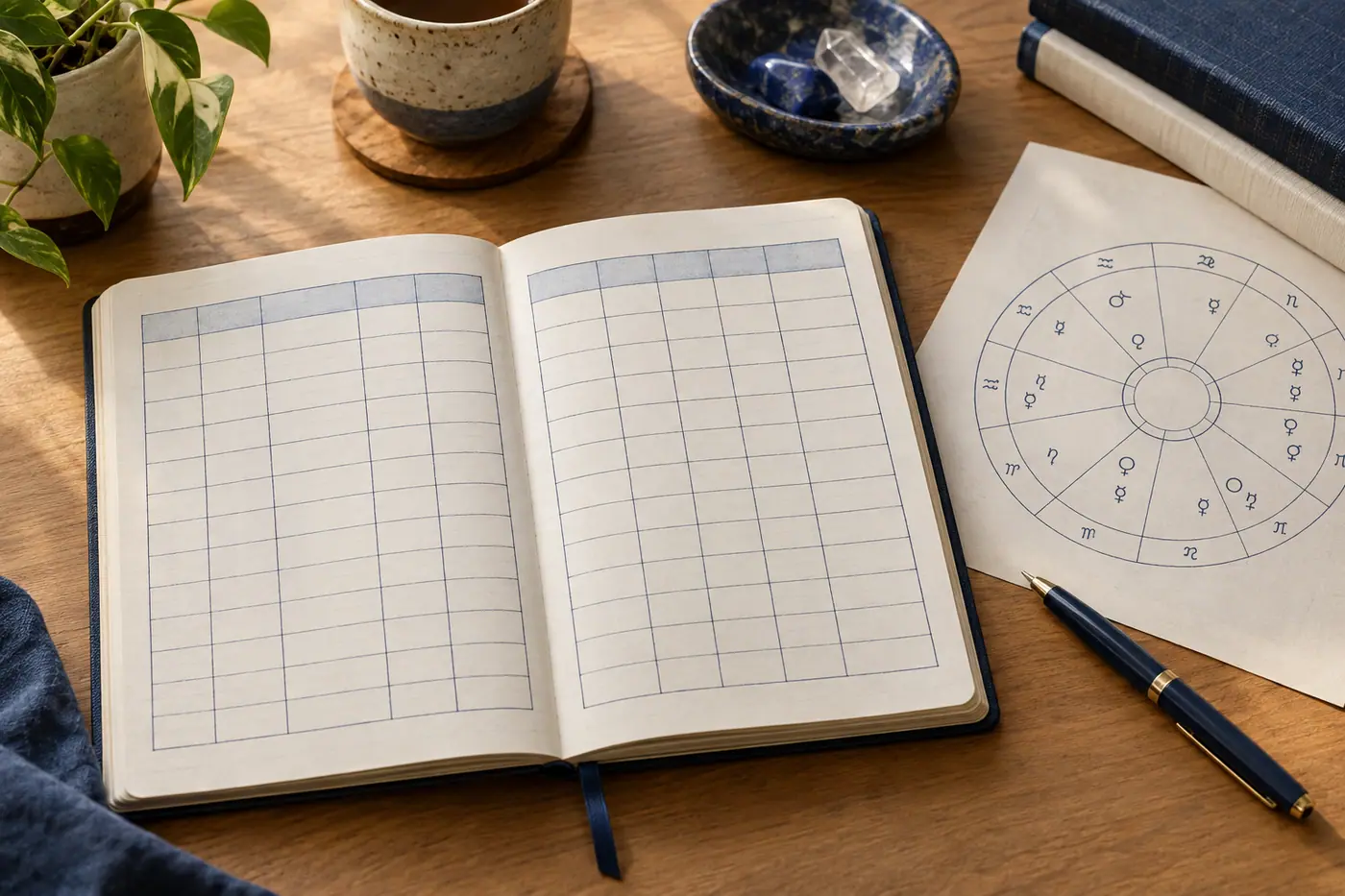
What does “scientifically accurate” mean?
A scientific claim should be stated clearly enough that different people can check it in a consistent way. It should also be possible for evidence to count against it. A prediction such as “you may experience change” is difficult to test because it can fit many outcomes. A prediction that names a specific event, a time window, and criteria for success is more testable.
Accuracy also needs a comparison. If someone says a reading predicted an event, ask how often similar events happen without a reading, how many predictions were made but forgotten, and whether the criteria were decided in advance. Remembering a striking match while overlooking misses can make a method feel more successful than a complete record would show.
These are general standards for evaluating predictive claims, not proof that every astrological statement is false. They help distinguish a personal interpretation from a claim that has been reliably demonstrated.
What is Vedic astrology claiming?
Vedic astrology, often called Jyotisha, is a traditional Indian system that interprets celestial positions in relation to a person’s birth details and other astrological factors. Practitioners may discuss a birth chart, planetary periods, transits, or themes in areas such as work and relationships. Different practitioners can emphasize different chart factors and interpret them differently.
A traditional system can have a long history and meaningful place in a community without that history, by itself, demonstrating predictive accuracy under scientific testing. To evaluate a particular prediction, focus on the claim itself: what exactly was said, when, and what result would count as a miss as well as a hit?
Can a reading feel accurate without scientific proof?
Yes. A reading can feel relevant because it gives someone language for concerns, suggests questions to consider, or reflects a cultural and spiritual outlook they value. Those experiences may be real and important to the person having them. They do not, on their own, establish that a chart predicted an event or that the method works as a reliable forecasting tool.
Broad statements can also seem personally precise because readers connect them to their own lives. This is one reason it is useful to write down a prediction before the outcome, including its timeframe and what would disconfirm it. Later, compare the record with the original wording rather than with a softened recollection.
How to evaluate an astrological prediction
- Make it specific. Identify the event or outcome being predicted, not just a general theme.
- Set the timeframe. Decide when the prediction should occur and avoid extending the deadline after the fact.
- Define success and failure. Write down what would count as a match and what would count as a miss before the outcome is known.
- Keep every prediction. Record hits and misses, including predictions that felt unremarkable at the time.
- Compare against a baseline. Ask how likely the outcome would have been without the reading, and whether a fair comparison is available.
- Separate interpretation from observation. Note what the astrologer said verbatim and what you inferred from it afterward.
- Do not use a reading as a substitute for evidence-based professional advice. For medical, legal, financial, or safety decisions, consult an appropriately qualified professional.
This approach does not require dismissing astrology. It simply makes the difference between a meaningful interpretation and a demonstrated predictive claim easier to see.
What can astrology be useful for?
Some people use astrology as a prompt for reflection: What am I prioritizing? What conversation have I been avoiding? What choice fits my values? These questions can be useful without treating a chart as an objective forecast. The value comes from the reflection and the decisions you make, not from assuming the prediction is guaranteed.
It is also reasonable to enjoy astrology as part of family, cultural, or spiritual life. People do not need to claim scientific validation in order to value a tradition. Being clear about the distinction helps readers make informed choices and avoid treating an interpretation as certainty.
Questions to ask before relying on a reading
- Was the prediction made clearly before the event?
- Could I tell in advance what outcome would prove it wrong?
- Are misses recorded alongside hits?
- Am I being encouraged to make a costly or irreversible decision based only on the reading?
- Would I make the same decision if I had not received this prediction?
If the reading raises a useful question, you can consider it alongside practical facts, your own judgment, and advice from qualified professionals where relevant. Be especially cautious if anyone presents an uncertain prediction as guaranteed or pressures you to spend money or take urgent action.
Explore your chart as a reflective tool
If you want to explore Vedic astrology, treat a chart reading as an interpretation rather than a proven forecast. HoroscopeDoc offers a way to explore a personal Vedic birth chart; use it as a starting point for reflection, not as a replacement for independent evidence or professional advice.
What you can do today: If you receive a prediction, write down its exact wording, timeframe, and what would count as a miss. Review it later without changing the criteria. That small habit can help you appreciate a reading while evaluating its claims carefully.
